
Automotive 2025 lightweight sandwich panels: quality from aircell
All about lightweight sandwich panels Automotive 2025 Make a requestGive us a call: +49 5976 9471 - 251Lightweight sandwich panels Automotive 2025 – Quality and service
Lightweight sandwich panels for the automotive industry 2025
Aircell air chamber panels: Innovation for vehicle construction
The automotive industry is facing the challenge of making vehicles lighter, more efficient and more sustainable. Aircell air chamber panels from VACU-form offer a proven solution for various applications in vehicle construction.
Technology and structure
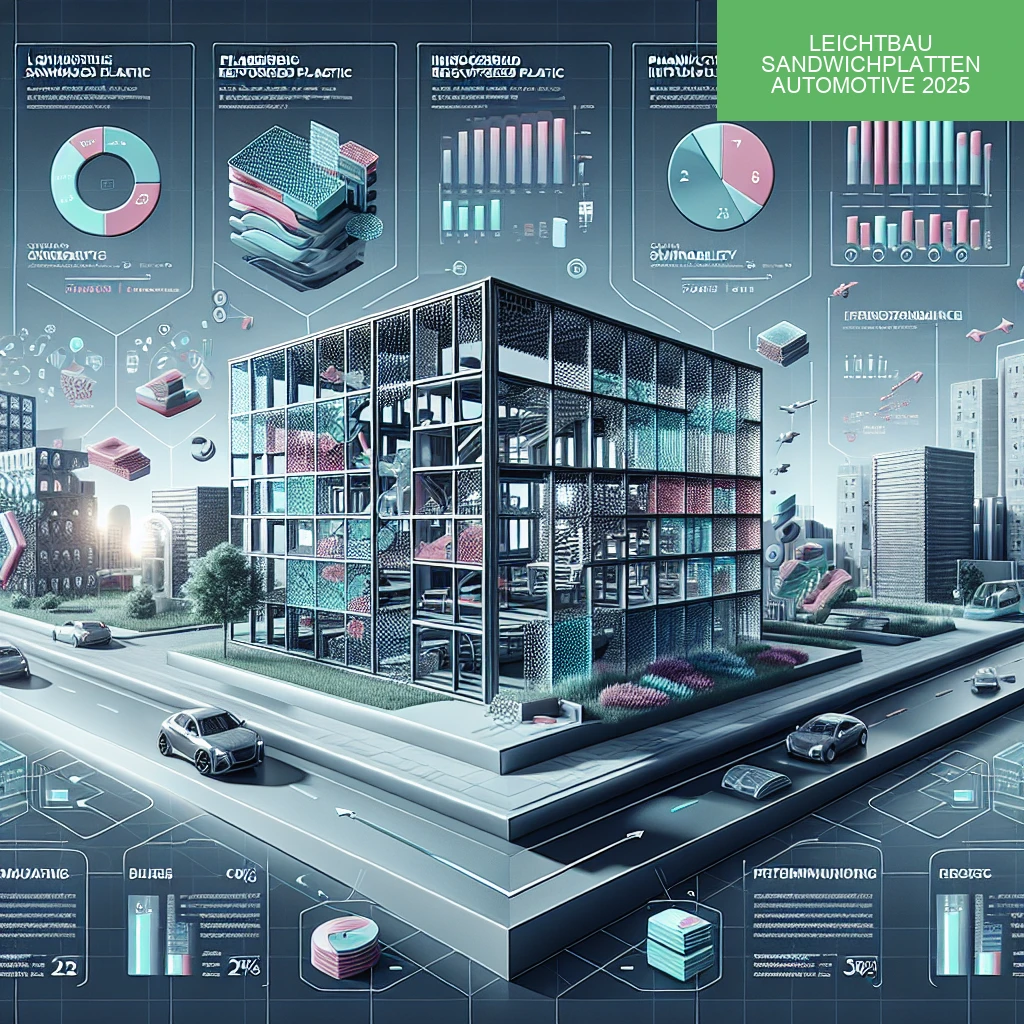
Aircell panels consist of three precisely coordinated film webs. The middle sheet is given a three-dimensional honeycomb structure using a patented thermoforming process. This construction combines:
- Low weight: Up to 70% lighter than solid comparison panels
- High stability: despite reduced material
- 100% recyclability: recyclable materials
- Weather resistance: Suitable for outdoor and indoor use
Available material types
The panels are manufactured in various designs:
| Type | Thickness (mm) | Grammage (g/m²) | Bending force max. (N) |
|---|---|---|---|
| 3/1000 | 3 ± 0,4 | 1000 ± 50 | ≥ 45 |
| 5/1500 | 5 ± 0,4 | 1500 ± 60 | ≥ 100 |
| 5/2000 | 5 ± 0,4 | 2000 ± 100 | ≥ 150 |
| 9/2300 | 9 ± 0,4 | 2300 ± 100 | ≥ 250 |
| 10/2500 | 10 ± 0,4 | 2500 ± 100 | ≥ 400 |
| 10/3000 | 10 ± 0,4 | 3000 ± 100 | ≥ 450 |
| 10/4000 | 10 ± 0,4 | 4000 ± 150 | ≥ 650 |
| 15/5000 | 15 ± 0,5 | 5000 ± 200 | ≤ 900 |
| 16/5000 | 16 ± 0,5 | 5000 ± 200 | ≤ 800 |
Areas of application in vehicle construction
Structural components
Aircell panels can be used for various vehicle parts:
Floor assemblies and load floors
- Trunk floors
- Spare wheel covers
- Modular load floor systems
Side panels and cladding
- Interior side panels
- Partition walls
- Display and advertising media
Covers and protective components
- Battery covers (potentially for electric vehicles)
- Underbody panels
- Protective covers
Packaging and logistics applications
Automotive logistics solutions are an established area of application:
- Container rings for large load carriers (GLT)
- Foldable returnable load carriers
- Interlayers and stacking aids
- Special packaging for automotive parts
Material properties and advantages
Sustainability
- 100% recyclable: mono-material structure made of PP, PS, ABS or HDPE
- Long service life: resistant to corrosion and rotting
- Reusable: Especially for logistics applications
Functional properties
- Weather resistant: Temperature range from -20°C to +80°C
- Moisture resistant: No water absorption
- Food-safe: Suitable for corresponding applications
- Thermally and acoustically insulating: damping properties thanks to air chamber structure
Customization options
The panels can be customized by:
- Color design (different colors possible in one panel)
- Anti-slip coating (TPE)
- Surface coating with textile, foam or fleece
- Printing
- Open or closed edges
- Optional: ESD version
Potential application scenarios for the future
Electromobility
The growth of electromobility could open up new fields of application:
Possible applications:
- Lightweight battery housing components
- Thermally insulating covers
- Weight-optimized interior parts to extend the range
Example calculation of weight saving:
For an average trunk floor (1.2 m²), a weight saving of approx. 3-4 kg could be achieved by using Aircell panels (type 10/3000) instead of plywood.
Load carriers and container systems
Automotive container systems are a proven area of application:
Practical examples from logistics:
- Foldable container rings for pallet systems
- Stacking containers for automotive supplier parts
- Reusable transport packaging
The container rings are already being used successfully and offer:
- Customized solutions
- Highest precision
- Flexible adaptation to different container sizes
- Loading flaps (up to 3 per ring possible)
- Ergonomic handles and H-profiles
Economic aspects
Cost consideration
The additional costs compared to conventional materials vary depending on the application. The following must be taken into account:
Advantages:
- Lower weight → Fuel savings
- Long service life
- Recyclable → End-of-life recycling
- No corrosion → lower maintenance costs
Challenges:
- Higher initial costs than simple materials
- Specialized processing required
Market development
The demand for lightweight solutions in the automotive industry is increasing, driven by:
- Stricter emissions regulations
- Growth of electromobility
- Sustainability goals of the manufacturers
- Optimization of logistics processes
Technical challenges
Processing and integration
Connection techniques:
- Bonding with special plastic adhesives
- Mechanical connections (clips, screws)
- Ultrasonic welding with suitable materials
Please note:
- Thermal expansion of the material
- Surface preparation for bonding
- Design adjustments for optimum force transmission
Temperature behavior
The sheets can be used in the range from -20°C (proven cold resistance) to approx. +80°C. Special material formulations are required for extreme temperatures.
Development prospects
Material innovations
Current development directions:
- Bio-based plastic variants
- Improved recyclability
- Integration of additional functions (e.g. conductive variants)
New fields of application
Potential areas of application:
- Lightweight components for autonomous vehicles
- Modular interior systems
- Temporary vehicle superstructures
- Trade fair construction and mobile presentations
Product-specific properties
Physical characteristic values
Stiffness:
- Modulus of elasticity: 0.15 – 6 MPa (depending on type)
- Deflection at maximum force: 4.5 – 8 mm
Temperature resistance:
- Continuous operating temperature: -20°C to +80°C
- Proven cold resistance at -20°C
Processing:
- CNC milling possible
- Deep drawing of three-dimensional shapes
- Contour cutting
- Drilling and punching
Quality and certification
The Aircell panels are produced according to German quality standards. VACU-form is an established manufacturer of lightweight plastic solutions with many years of experience.
Available properties:
- Food-safe versions
- ESD variants for electronics-related applications
- Individual certifications according to customer requirements
Practical application tips
Constructive notes
For optimum results:
- Provide sufficient contact surfaces
- Avoid point loads, distribute loads
- Use washers for screw connections
- Allow for thermal expansion (approx. 0.7 mm/m at a temperature difference of 10°C)
Cleaning and care
The panels are easy to clean:
- Clean with water and mild detergents
- Do not use harsh solvents
- Antistatic cleaners can be used if required
Sustainability and circular economy
Recycling
Aircell panels are fully recyclable:
- Mono-material structure facilitates recycling
- Can be returned to the production cycle
- Alternative: Energy recovery
Life cycle assessment
Positive aspects:
- Long service life reduces resource consumption
- Low weight reduces transport emissions
- Recyclability improves CO₂ balance
Optimization potential:
- Use of recycled content
- Bio-based raw material variants in development
Technical support and advice
VACU-form offers:
- Sample panels for testing
- Technical advice for specific applications
- Development of customized solutions
- Support with integration into existing processes
Contact and further information
VACU-form WISCHEMANN GmbH & Co KG
- Kruppstraße 5, 48499 Salzbergen
- Tel: +49 5976 9471 – 251
- E-mail: info@aircell-platten.com
- Web: www.aircell-platten.com
The team is available for advice and sample deliveries for individual inquiries.
Summary
Aircell air chamber panels offer a proven solution for lightweight construction applications in the automotive industry. The combination of low weight, high stability and recyclability makes them an interesting alternative for various vehicle components.
Main advantages:
- Up to 70% weight saving
- 100% recyclable
- Versatile in use
- Proven technology
- Made in Germany
Established applications:
- Automotive logistics and packaging
- Container systems and load carriers
- Interior components
development potential:
- Electromobility
- Lightweight structures
- Sustainable material cycles
The technology is ready for series production and is already being used in various areas of the automotive industry. Development and consulting services are available for new applications.